How converting works
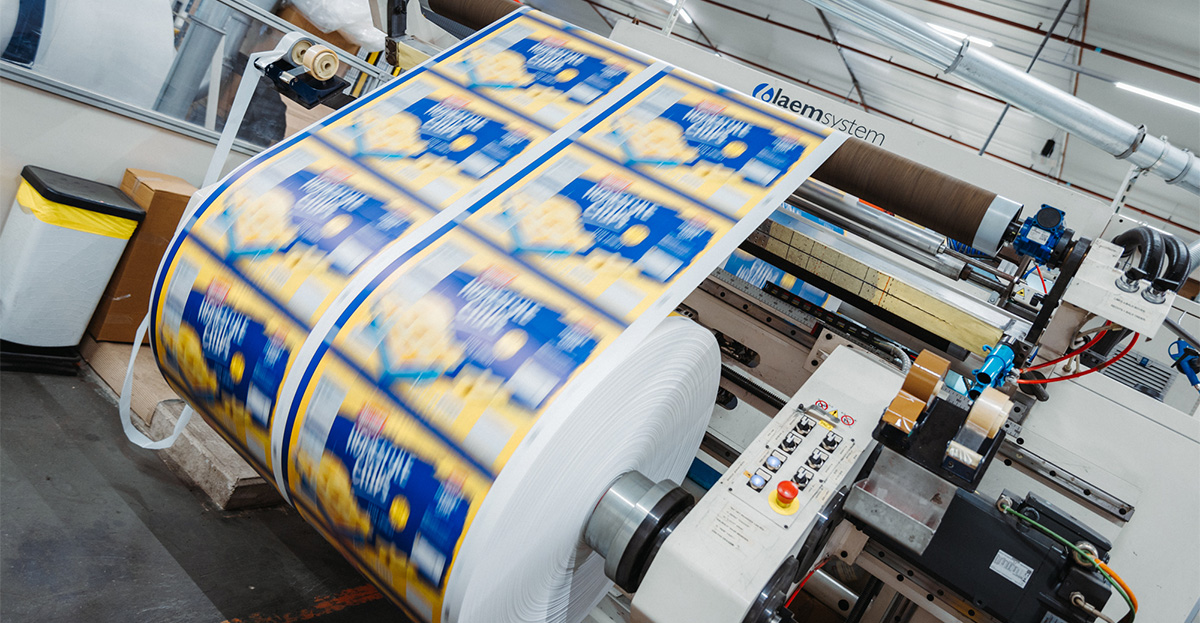
At KIVO, the manufacturing process begins with raw or printed rolls (tubes) of film that are loaded into our advanced machines. These machines seal, fold, and cut the film to create various products, such as sheets, bags, and covers. Additionally, we ensure that large ‘mother rolls’ are wrapped into more manageable rolls of, for example, 25 kg. With precision and efficiency, we produce customized packaging solutions that meet your specific needs. Discover how our manufacturing processes can optimize your packaging.
Sustainable converting
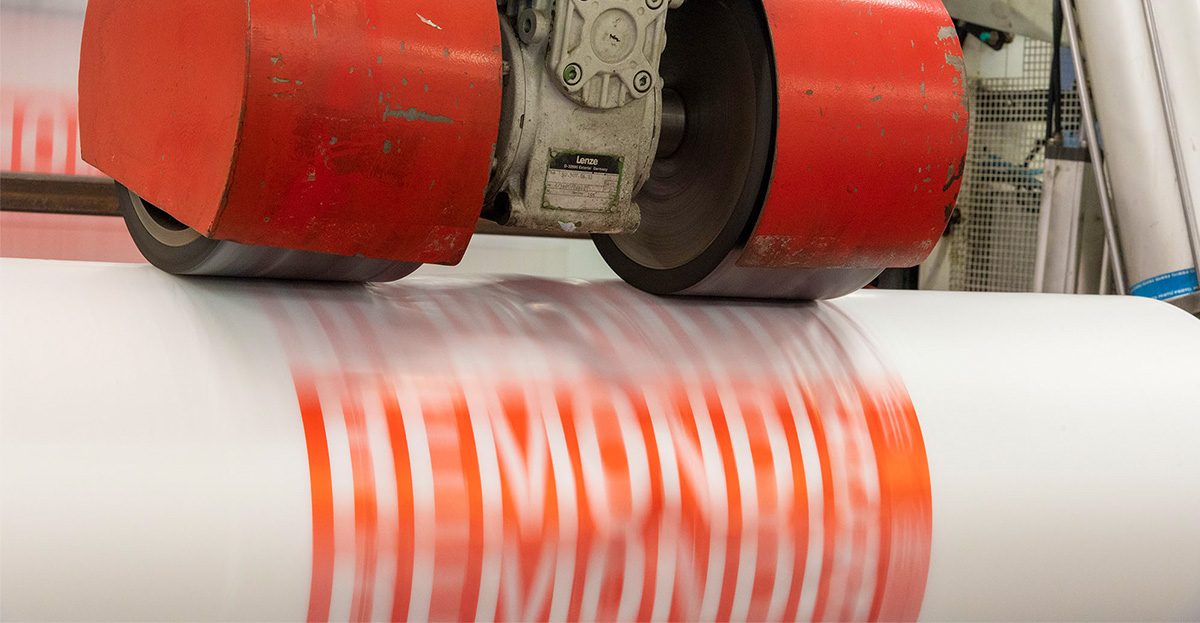
Sustainability is essential in our converting department. We minimise waste and maximise efficiency by using environmentally friendly materials and processes. Our innovative techniques ensure that we produce high-quality packaging solutions that are both functional and environmentally friendly. Modern, energy-efficient machines help us reduce cutting and processing waste, which we then recycle.
Find out how we contribute to a more sustainable future with our converting solutions.
Frequently asked questions
Below are some frequently asked questions about our converting processes.
What does the converting process at KIVO involve?
The manufacturing process involves sealing, folding, and cutting of films to create various packaging products such as bags, sheets, and covers. This process is carried out using advanced machines for maximum precision and efficiency.
What types of products are made by KIVO's converting process?
KIVO produces a wide range of products, including bread bags, rubbish bags, car seat covers, sheets for the food industry, and more, all tailored to our customers' specific needs.
How does KIVO's converting process contribute to sustainability?
We minimise cutting and processing waste and then recycle it. Moreover, we use modern, energy-efficient machines to reduce our environmental impact.
Can KIVO offer customised packaging solutions through the converting process?
Yes, we offer tailor-made packaging solutions fully tailored to our customers' specific requirements, from dimensions to choice of materials.
 info@kivo.nl
 +31 (0) 299 39 88 00